Gut-Brain Axis Mental Health: How Your Microbiome Shapes Mood

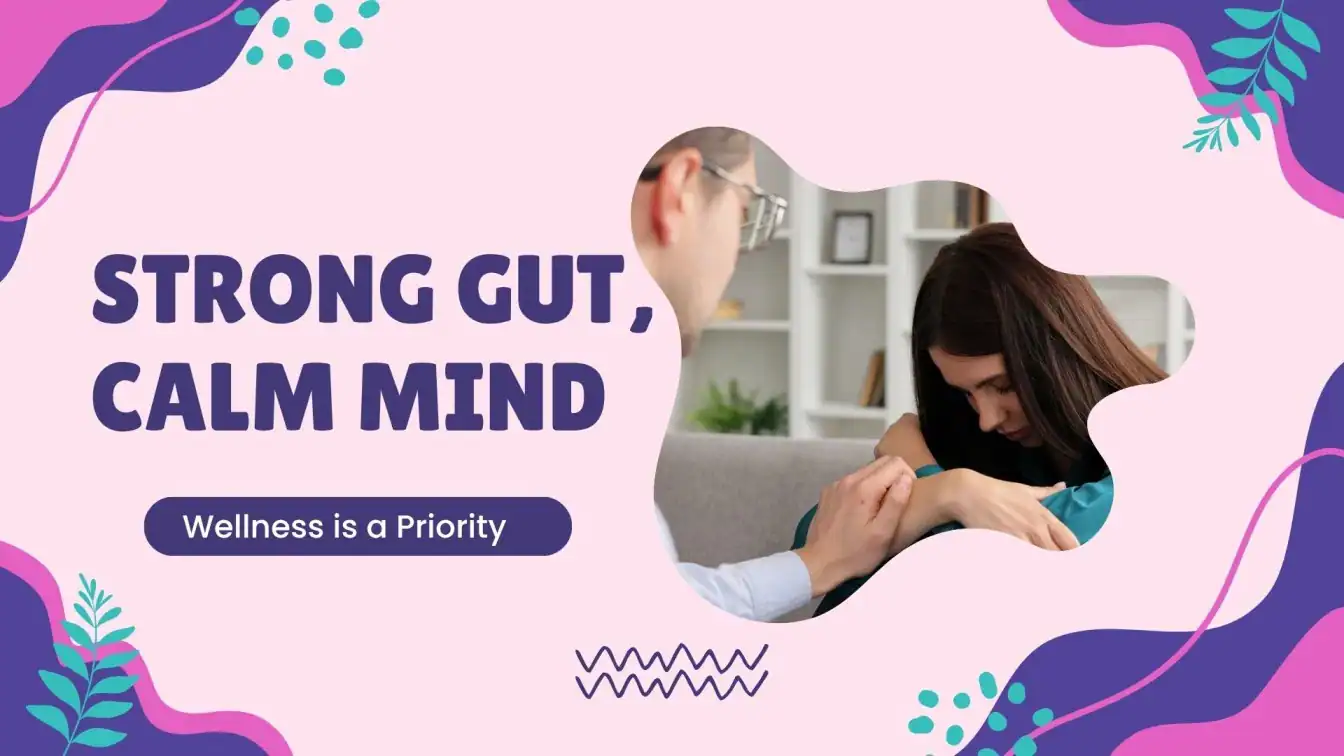
The gut brain axis mental health link is one of the strongest connections in modern science. It shows how your gut directly influences mood, focus, and emotional balance.
Gut-Brain Axis Mental Health: The Path to Inner Balance
(Based on peer-reviewed research, MDPI Nutrients 2025; DOI 10.3390/nu17050842)
Introduction
The gut–brain axis plays a key role in mental health, influencing how we think, feel, and manage stress every day.
Recent studies in MDPI Nutrients (2025) show that this powerful connection between your gut and brain affects mood, focus, and emotional balance.
This “second brain” inside your gut is not just about digestion — it sends chemical messages that can shape your happiness, energy, and overall well-being.
1. The Gut–Brain Communication Network
The vagus nerve acts like a bridge between your gut and your brain.
Through this link, tiny gut microbes send messages using chemical and electrical signals.
When your gut bacteria are healthy, they produce neurotransmitters like serotonin, dopamine, and GABA, which help keep your mood stable and your mind calm.
In fact, about 90% of serotonin — known as the “happy chemical” — is made in the gut, not in the brain.
So, a healthy gut means a more balanced and peaceful mind.
2. How Gut Microbes Affect Mood
Good bacteria such as Lactobacillus rhamnosus and Bifidobacterium longum make short-chain fatty acids (SCFAs) like butyrate and propionate.
These natural compounds reduce inflammation, protect the brain, and support mental health.
When your gut bacteria become unbalanced — a condition called dysbiosis — it can lead to anxiety, tiredness, or mood swings.
The 2025 Nutrients research also highlights psychobiotics, which are special probiotics that lower stress hormones, reduce anxiety, and support emotional well-being when combined with good nutrition and sleep.
3. The Role of Diet and LifestyleWhat you eat directly shapes your gut–brain axis and mental health.
People who follow the Mediterranean diet — full of vegetables, fruits, olive oil, nuts, and fermented foods — have better gut bacteria and lower rates of depression.
Simple gut-friendly habits include:
- Eating fiber-rich foods like oats, lentils, and leafy greens.
- Adding fermented foods such as yogurt, kefir, or kimchi.
- Avoiding refined sugar and processed snacks.
- Drinking enough water daily.
- Practicing stress relief through prayer, deep breathing, or journaling.
Also, sleep, exercise, and even intermittent fasting improve gut balance and help the brain handle stress more calmly.
4. Immune and Hormonal Connections
Your gut constantly communicates with your immune system.
Gut microbes release cytokines, small immune messengers that control inflammation and influence mood.
A strong gut barrier prevents inflammation from reaching the brain — keeping your mind sharp and positive.
But if this barrier becomes weak, inflammation can spread and cause anxiety, brain fog, or irritability.
5. Clinical and Emerging Research
According to studies in MDPI Nutrients (2025) and Frontiers in Psychiatry (2024):
- People with IBS, anxiety, or depression often have an unbalanced gut microbiome.
- Psychobiotic strains like Lactobacillus helveticus R0052 and Bifidobacterium longum R0175 help improve mood and reduce stress.
- Fecal Microbiota Transplantation (FMT) and synbiotics (a mix of prebiotics and probiotics) are being studied as new ways to improve both gut and brain health.
- Magnesium orotate may also support gut–brain communication and recovery from chronic stress.
6. Personalized Gut Health for Mental Wellness
Every person’s microbiome is unique — like a fingerprint.
Future medicine will likely use personalized microbiome therapy, designing custom diets and supplements for each person’s gut profile.
This approach can help prevent mood disorders, improve digestion, and promote long-term mental wellness.
7. Key Takeaways
✅ Eat colorful, fiber-rich foods every day.
✅ Get enough sleep — 7 to 8 hours nightly.
✅ Exercise or walk regularly.
✅ Eat fermented foods weekly.
✅ Limit alcohol and sugar.
✅ Manage stress through mindfulness, prayer, or deep breathing.
Gut–Brain Axis and Mental Health: The Path to Inner Balance
Your gut–brain axis and mental health are deeply connected.
By taking care of your microbiome through nutritious food, probiotics, and balanced living, you can strengthen both mental clarity and emotional resilience.
As modern science confirms, the gut–brain axis directly affects stress, mood, and emotional balance — proving that wellness truly begins in the gut and radiates to the mind.
Frequently Asked Questions (FAQs)
Q1: What is the gut–brain axis?
It’s a two-way communication system between your gut and your brain.
Your gut microbes send signals that affect emotions, focus, and stress levels — making gut health vital for mental health.
Q2: Can improving gut health really help mental health?
Yes. Studies show that balancing your gut bacteria can reduce anxiety, improve mood, and lower stress hormones like cortisol.
Q3: What foods are best for the gut–brain axis?
Fiber, fermented foods (like yogurt and kefir), olive oil, and leafy greens feed good bacteria and help support mental wellness.
Q4: What are psychobiotics?
Psychobiotics are probiotic strains that benefit mental health.
They help regulate mood and stress by improving gut–brain communication.
Q5: How long before results appear?
With consistent healthy eating and probiotic use, you may notice better mood and digestion within 2–4 weeks.
Full gut restoration can take several months of regular care.
Author: Hussain — FortiGen Health
(Educational content inspired by peer-reviewed research, MDPI Nutrients 2025; DOI 10.3390/nu17050842)